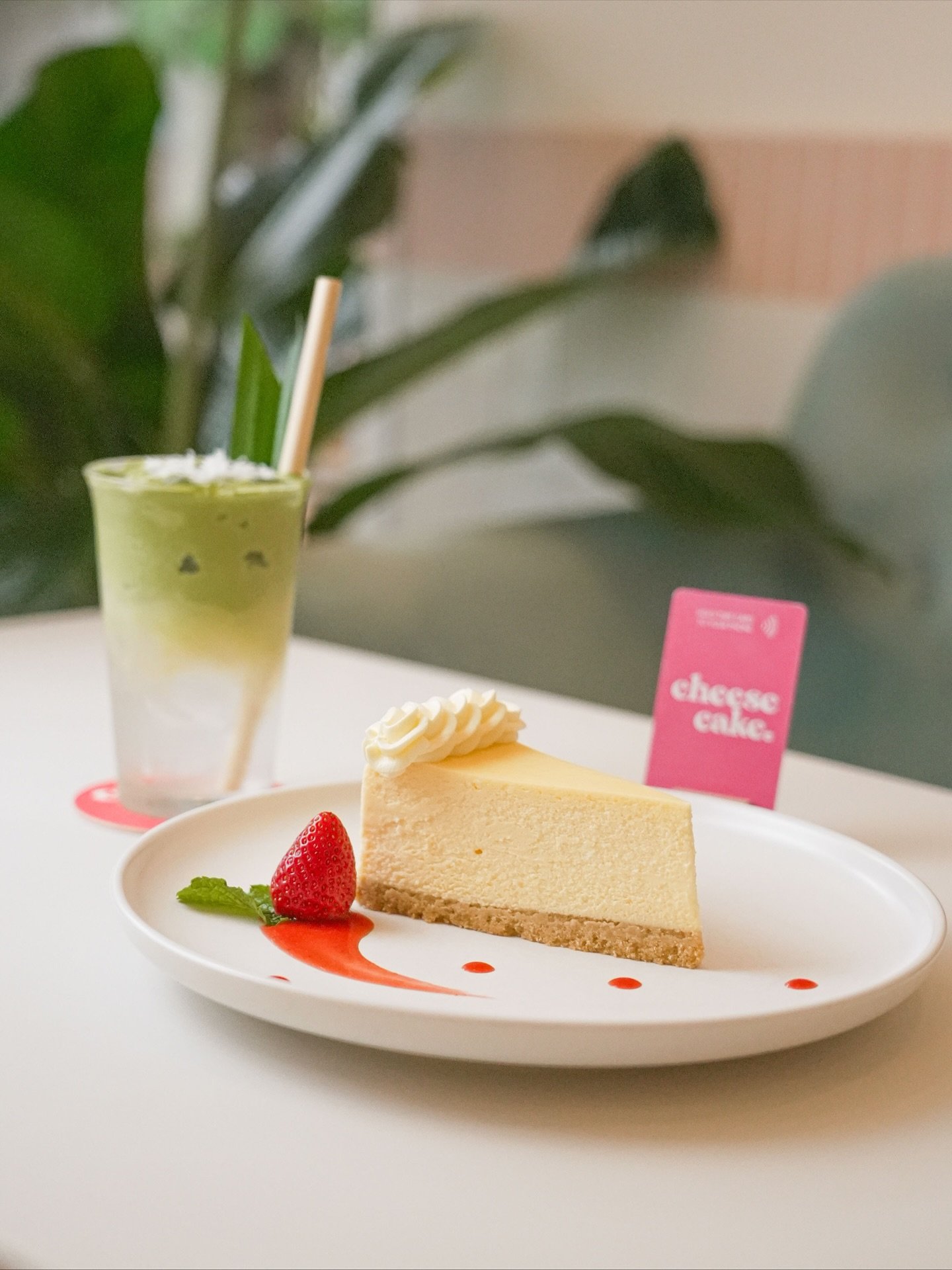
I'll be honest: when we first opened Cheesecake Ngon on Lê Văn Miến three years ago, I didn't think people would care this much about how we make our cheesecakes. I thought they'd just eat them. But the questions kept coming — at the counter, on Zalo, in Google reviews — so here's the full story.
The Cream Cheese Question
Everything starts with the cream cheese, and we're particular about it. We use real, full-fat cream cheese imported from New Zealand and France. Not the spreadable stuff. Not the blocks that taste vaguely of plastic wrap. The good kind — tangy, rich, with that slight lactic bite that makes a proper New York cheesecake what it is.
We've tested at least a dozen brands over the years. Some were too sweet, some too grainy after baking. The one we settled on costs about 40% more than the standard commercial option, and yes, that's part of why our slices aren't 80,000 dong. But you taste the difference in every bite.
The Crust Nobody Thinks About
Here's a confession: I used to think crusts didn't matter. Just crush some biscuits, press them down, move on. I was wrong.
Our graham cracker crust is pressed by hand into each pan — no hydraulic press, no shortcuts. We blind-bake it until it's properly golden, about 12 minutes at 175°C. There's butter in there, obviously, but also a pinch of fine sea salt that most people don't notice consciously. What they do notice is that the crust doesn't taste like sweetened cardboard. That salt makes the difference.
Slow Mixing, Water Bath, Patience
The filling is where most bakeries cut corners, and I don't blame them — it's time-consuming to do it right. We mix each batch on low speed, slowly, for longer than you'd think necessary. Air bubbles are the enemy. They're what cause cracks on top and that slightly spongy texture that tells you a cheesecake was rushed.
Our classic recipe uses a 3:1 ratio of cream cheese to cream. That's a lot of cream cheese. The batter goes into a water bath — every single cake, every single time — because the steam keeps the oven humidity stable and the heat gentle. It's the difference between a cheesecake that's creamy all the way through and one that's dry around the edges.
The Overnight Wait
This is the part that tested my patience when I started baking. After the cake comes out of the oven, it cools slowly. Then it goes into the fridge. Then we wait. A full night, minimum.
A fresh cheesecake is soft and fragile — try cutting it and you'll get a mess. But after 12-plus hours in the fridge, the texture firms into that signature dense-but-yielding consistency. The flavors deepen. The slice cuts clean. It's not laziness. It's restraint.
The Flavors That Rotate Through
We keep 12 to 15 flavors on rotation at any given time. The Apple Crumble has been our bestseller since month two — shredded Fuji apple with a cinnamon streusel that gives it this autumn-in-a-bakery quality, even in Saigon's 35°C heat. The Passion Fruit uses actual fruit pulp, not the neon syrup you find in most desserts here. The Matcha is ceremonial grade from Uji.
Some flavors stay forever. Some appear for a season and disappear. If you see the Lemon Meringue on the counter, get it — it doesn't last long.
That's it. No secret machinery, no magic powder. Just good ingredients, proper technique, and the willingness to wait a day before selling something. Drop by 23b Lê Văn Miến and see for yourself.